Booking the wrong studio for the job is one of the most common (and most avoidable) planning mistakes we see — not because any of our spaces are unsuitable, but because “a studio” isn’t one thing. A photography studio, a podcast studio or content studio are each built to solve different problems, and the fastest way to a good result is matching the space to what you’re actually recording.
The short answer: start from your output, not the room
The question to ask isn’t “which studio is best”, it’s “what am I leaving with?” A finished photo gallery, a recorded conversation, or a batch of short-form video content each need a different room, different equipment already set up, and a different amount of set-up time.
If you’re shooting stills, you want a photography studio built around lighting and backdrops. If you’re recording a conversation, you want a podcast studio built around acoustics and multi-person audio. If you’re producing content for social — reels, product video, talking-head clips — a content studio is built to move quickly between set-ups in a single session.
What a photography studio is built for
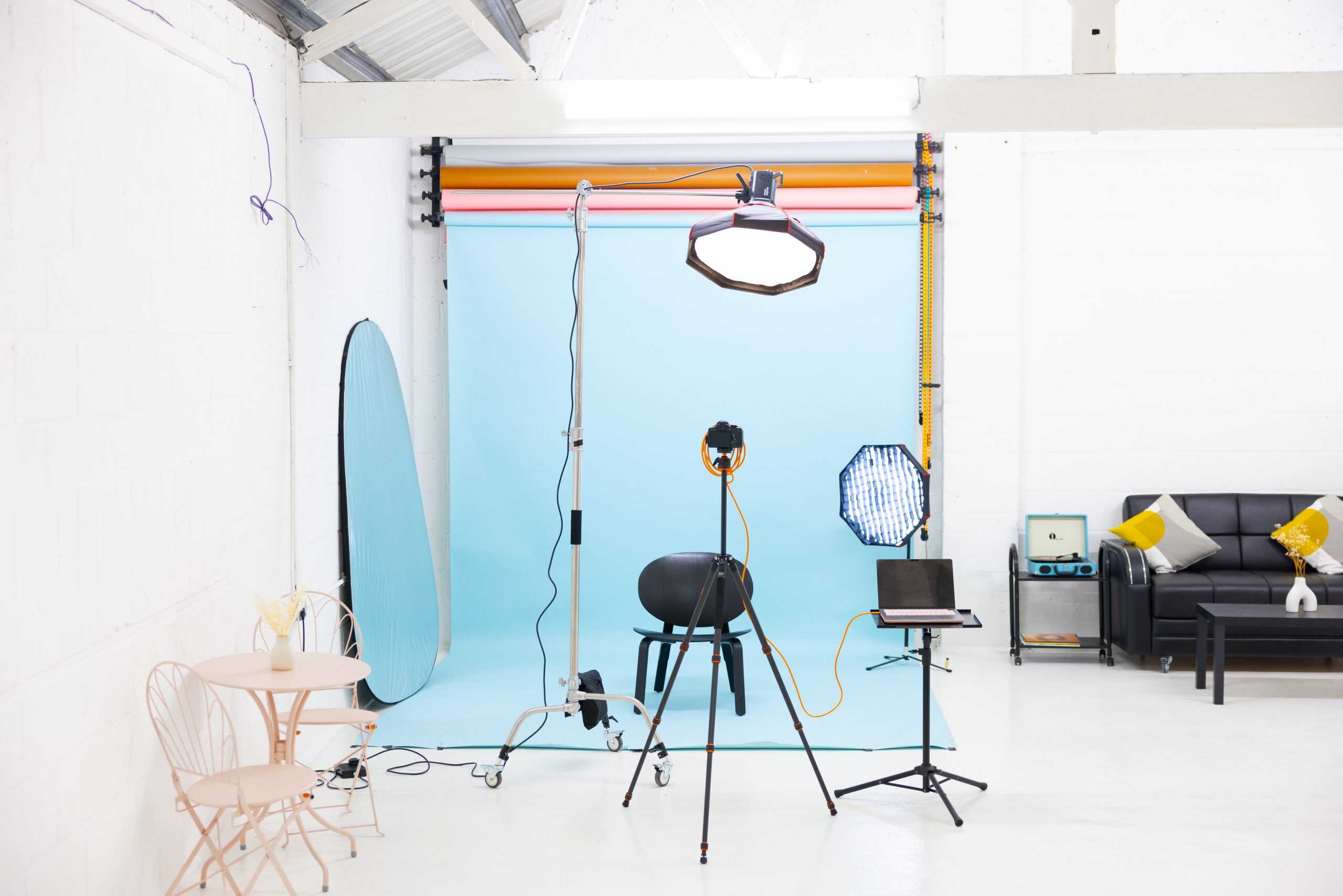
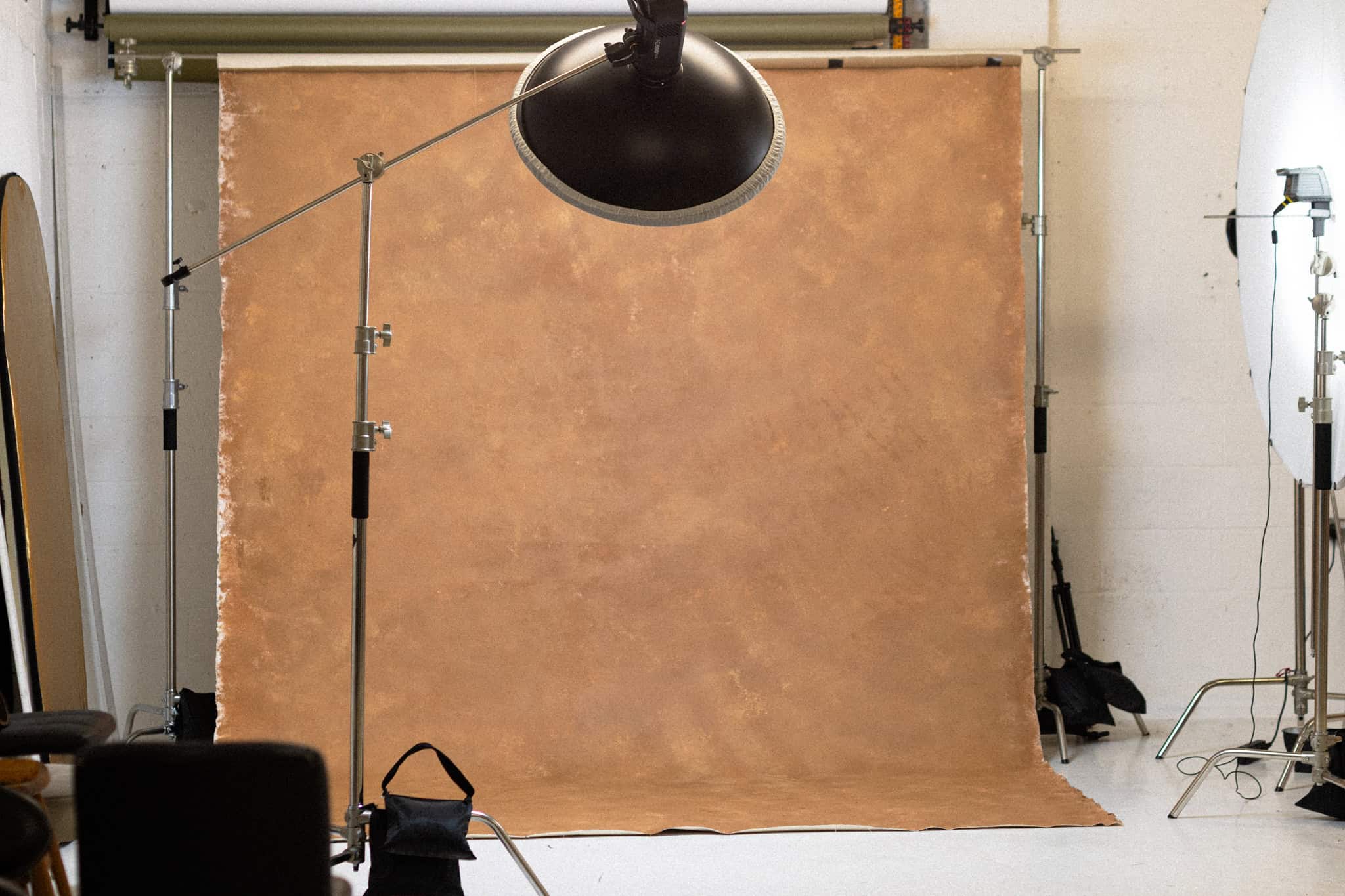
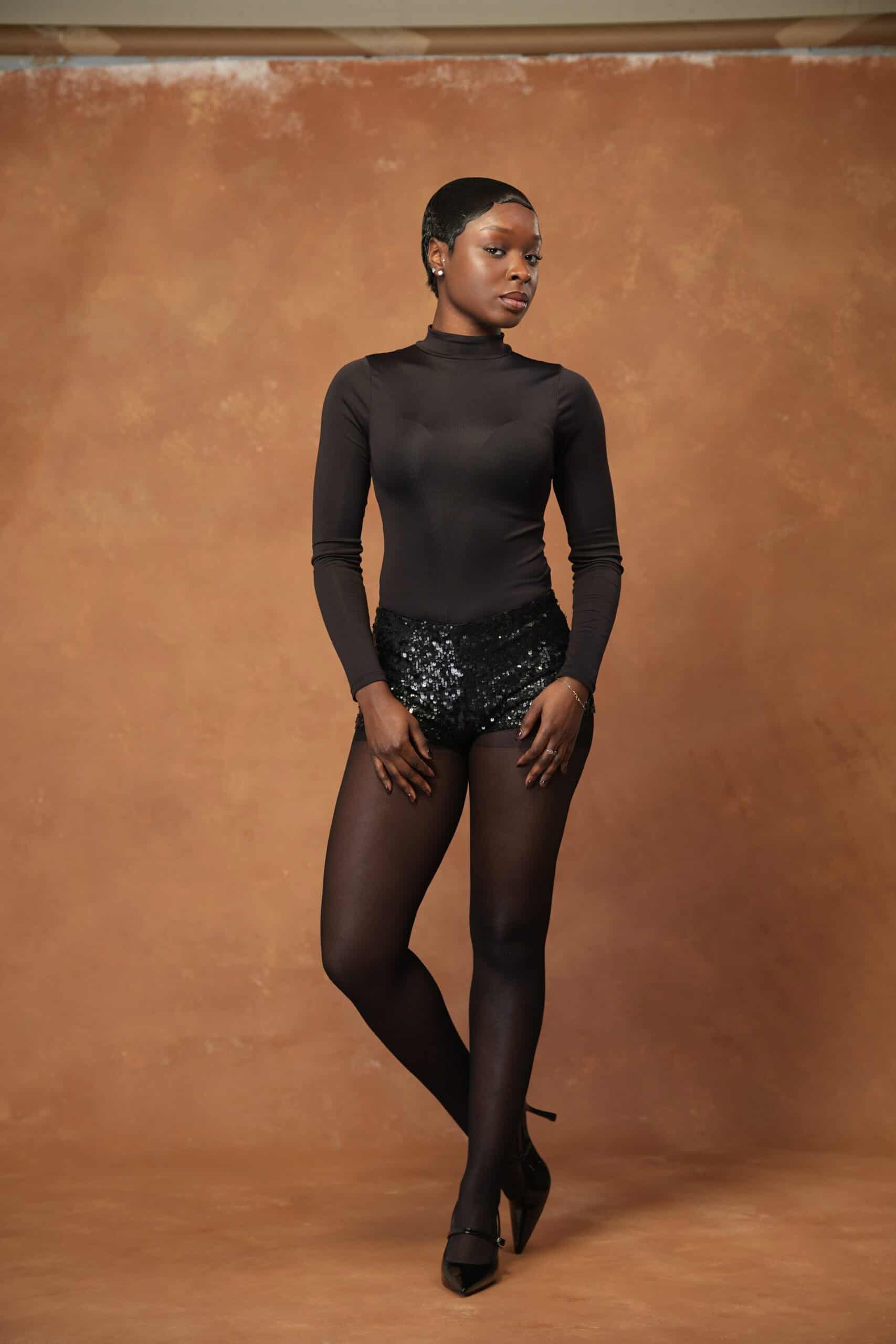
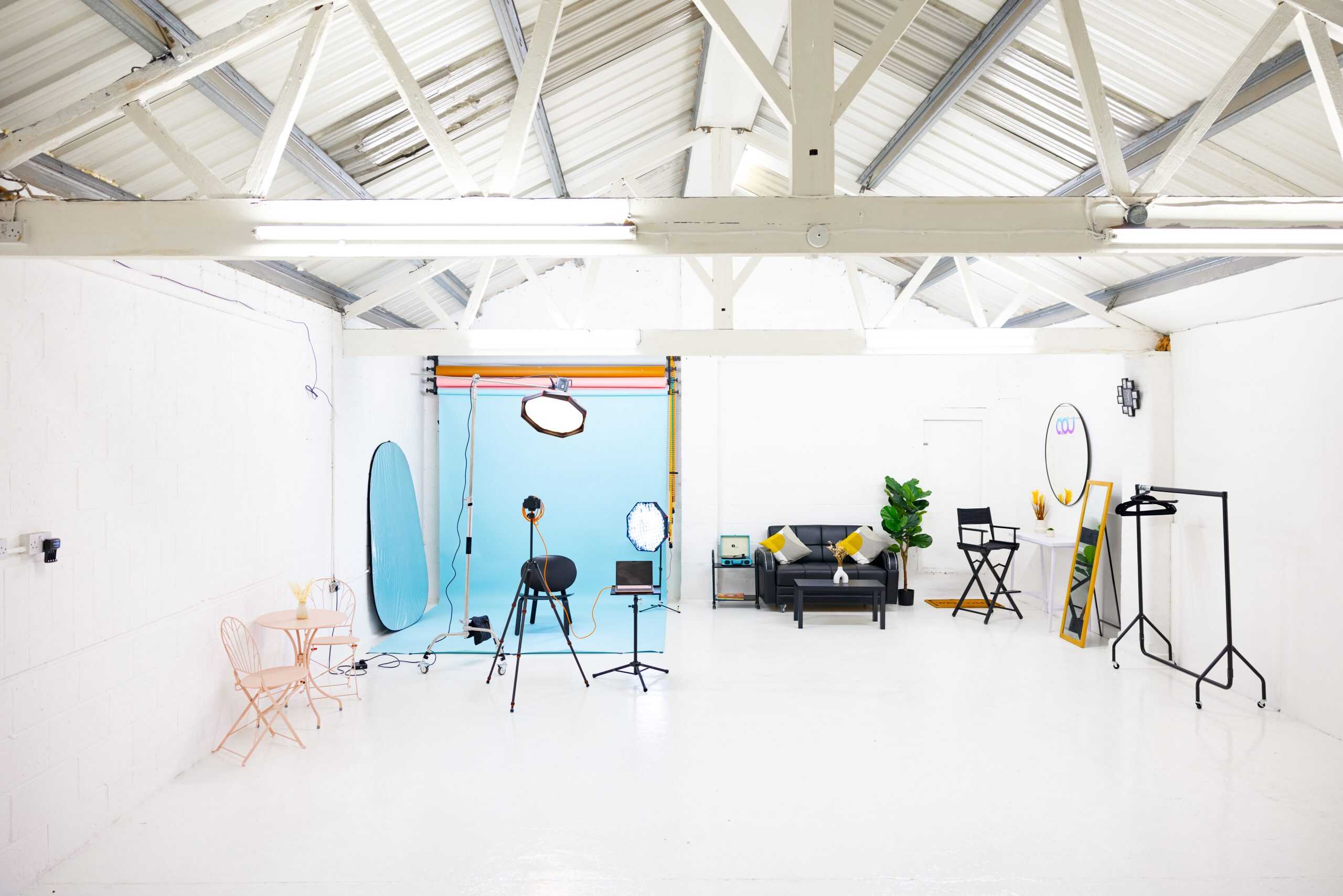
Our photography studio is designed around controlled, repeatable lighting. The same set-up supports maternity, family, graduation, corporate and boudoir photography, all using the same underlying principle: light you can shape precisely and backdrops you can change without starting from scratch.
This is the right choice when:
- The deliverable is still images — a gallery, headshots, product shots.
- You want hand-painted or seamless backdrops available rather than a fixed set.
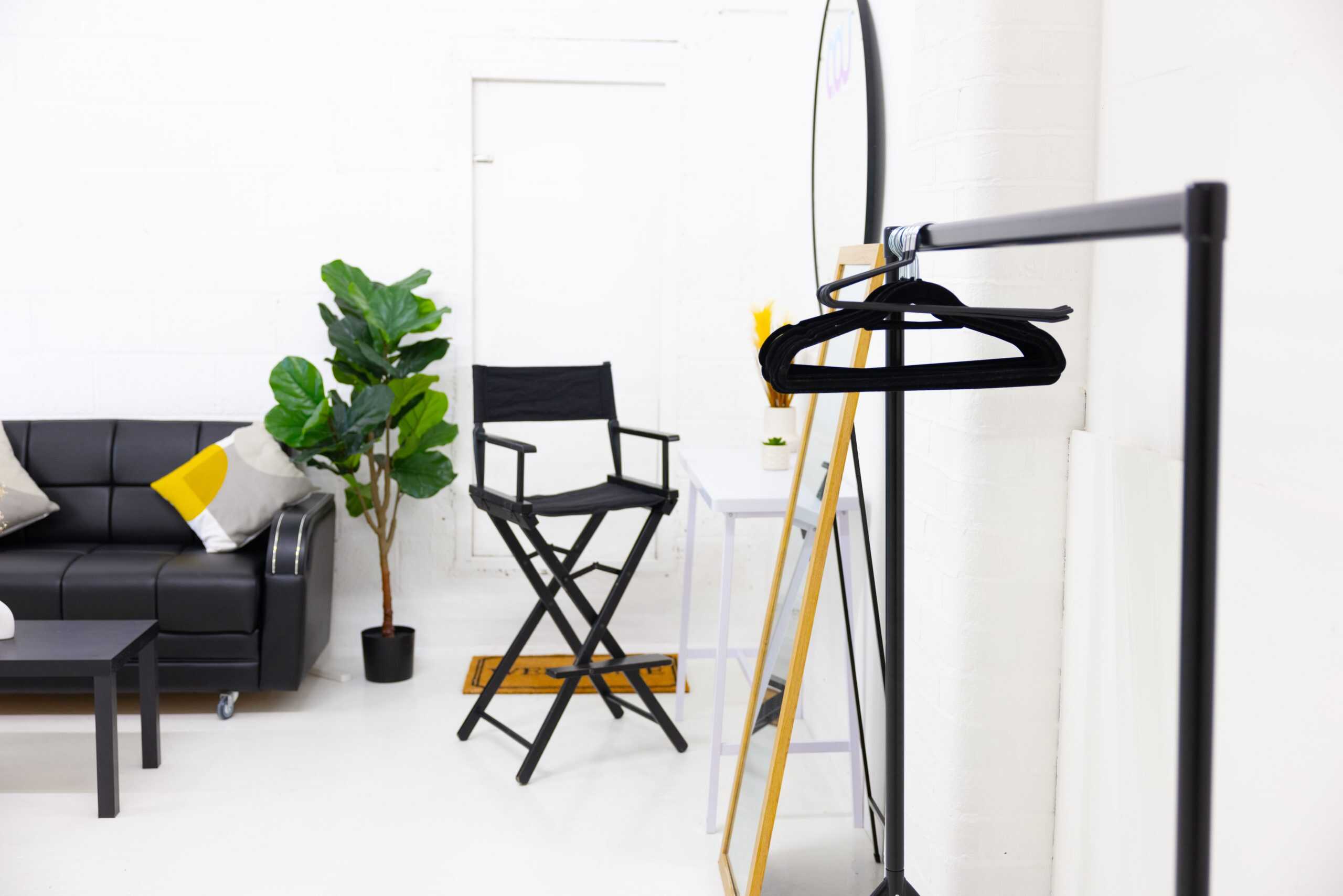
- You need wardrobe changes built into the session.
- Lighting consistency across dozens of frames matters more than atmosphere.
What a podcast studio is built for
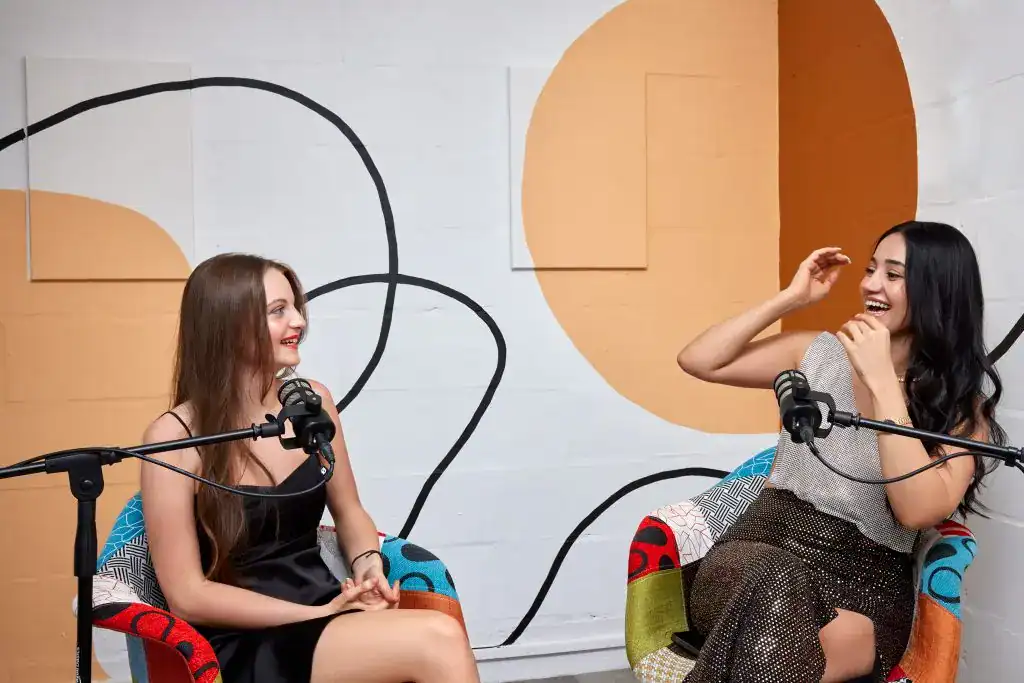
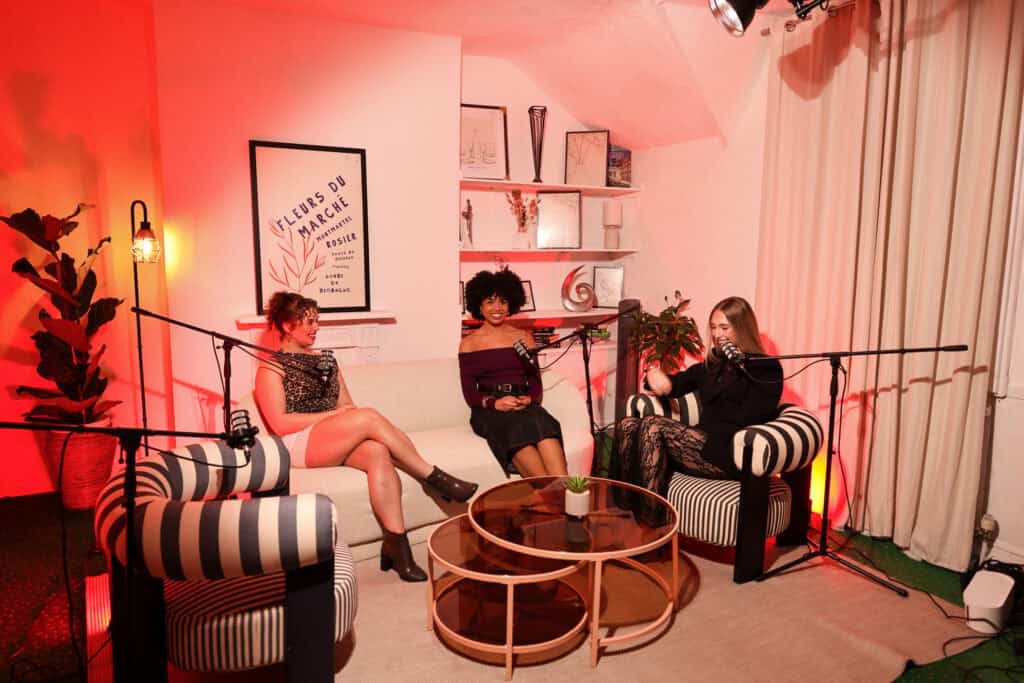
Our podcast studios in Hucknall and Eastwood solve a different problem entirely: acoustics and multi-person audio. A room that looks fine on camera can still sound poor to record in if it wasn’t treated for it, and sound quality is the detail listeners notice first and complain about most.
This is the right choice when:
- The deliverable is audio-first, even if it’s also filmed for video clips.
- You have two or more speakers who need separate, clean audio.
- You want a consistent visual backdrop across every episode without resetting it each time.
- Recording sessions run long, and comfort over an hour or more matters.
What a content studio is built for
Our Nottingham Content Studio is built for speed and variety rather than a single fixed set-up. Where a photography studio is built around one considered lighting scheme, a content studio expects you to move between several looks and formats inside one booking — talking-head video, product shots, behind-the-scenes stills, short clips for social.
This is the right choice when:
- You need multiple content formats from a single session (stills and video, for example).
- Your shot list changes throughout the day rather than being one fixed set-up.
- Speed between set-ups matters more than one perfectly considered scene.
- The content is going straight to social rather than into a formal gallery.
When you genuinely need more than one space
Some projects don’t fit neatly into one category, and that’s fine — it’s exactly what a multi-space booking is for. A brand day combining founder headshots, a short interview and behind-the-scenes reels typically needs a photography set-up and a content or podcast set-up across the same day, not one space stretched to cover all three.
If your project spans formats, say so at the point of enquiry. It changes how we schedule the day, how much changeover time we build in, and which spaces we hold for you. Read how to plan a multi-format content day.
Common mistakes to avoid
- Booking a photography studio for a podcast because it “looks nice on camera.” Book the podcast studio — it’s acoustically treated in a way a photography set isn’t, and audio quality shows up immediately.
- Booking a single fixed studio for a day that needs several formats. Tell us the full shot list at booking so we can plan across spaces if needed.
- Assuming the content studio is a cheaper version of the photography studio. It’s built for a different purpose — speed and variety, not as a downgrade.
- Not mentioning that you need a dramatic, high-contrast look. Ask about the Blackout Studio specifically — it’s built for exactly that.
Practical checklist
- Write down your actual deliverables: stills, audio, video, or a mix.
- Check whether your session needs one set-up or several changes within the day.
- If recording audio with more than one speaker, prioritise the podcast studio.
- If your day spans formats, mention it at booking so we can plan the changeover.
- Ask about backdrop and wardrobe options if the shoot is portrait-led.
Frequently asked questions
Can I book more than one studio space in a single day?
Yes, combined bookings across spaces are common for brand days that mix stills, video and audio. Let us know your full shot list when you enquire so we can plan the schedule.
Which studio is best for a first-time podcast recording?
Either of our podcast studios, in Hucknall or Eastwood — both are set up for multi-person audio and a consistent visual backdrop across episodes.
Is the content studio suitable for photography as well as video?
Yes, it’s built for mixed formats, but if stills are your main deliverable and you want a single considered lighting set-up, the photography studio is usually the better fit.
What is the Blackout Studio for?
It’s designed for high-contrast, moody or editorial concepts where controlled darkness and dramatic lighting are the point, rather than an even, bright set-up.